Stainless steel surface treatment · Rotterdam

Steel that stays clean.

Grinding, polishing, pickling and passivation of cargo tanks, tank containers, heating coils and piping. On site, in port or on board, with a passivity test to prove it.

Where is the problem?

Pick the object. You see what we usually find on it and how we fix it.

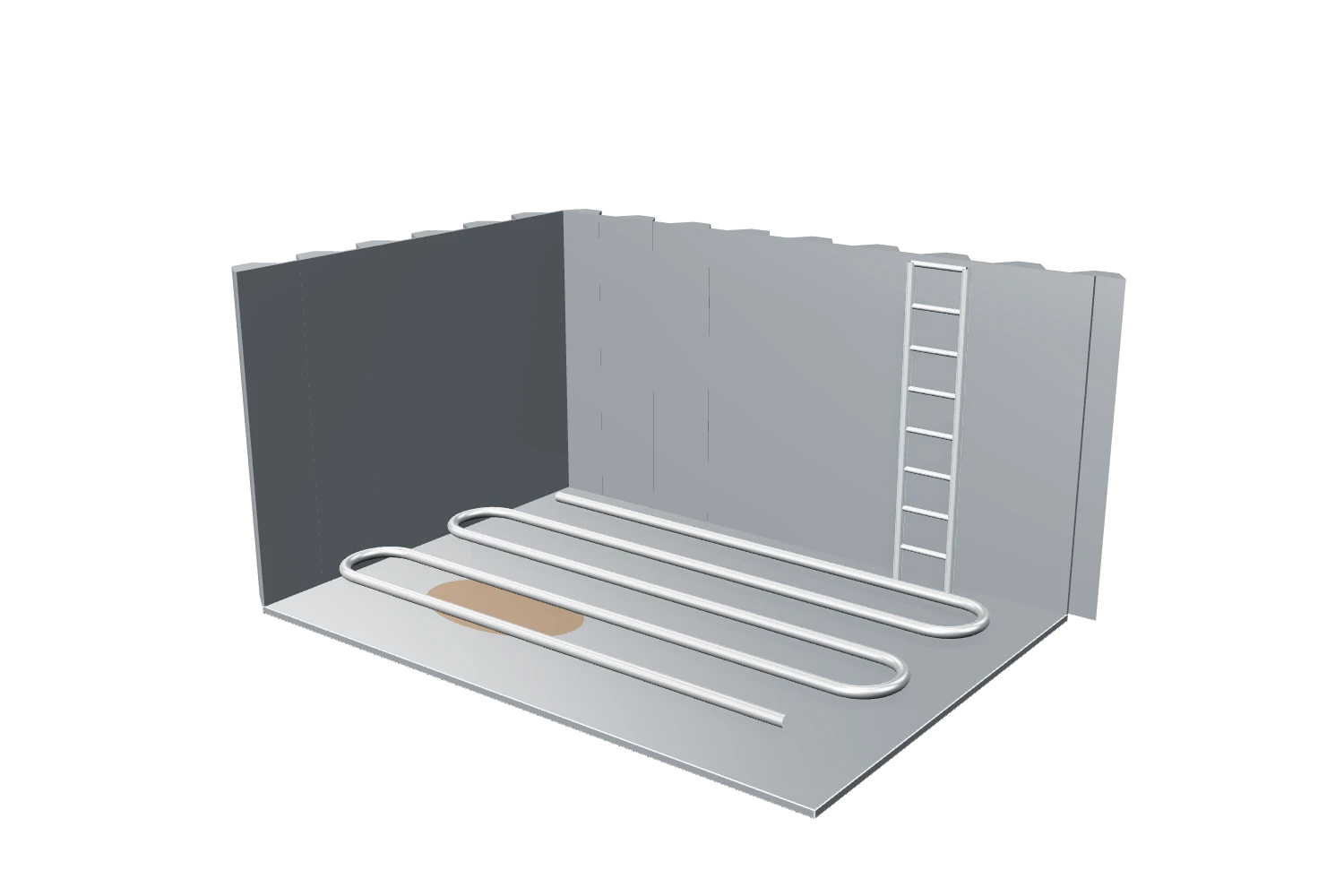
3D render: cargo tanks

Cargo tanks

Stainless cargo tanks on board, before the next load or after damage. We work inside the tank itself.

What we find

  • Crystallised product residue
  • Deep dark discolouration
  • Rust spots and free-iron contamination
  • Pitting on walls and floor
  • Heat tint after repairs

What we do

  • Tank cleaning
  • Grinding
  • Sanding
  • Pickling
  • Passivation
  • Passivity test
Send photos of your cargo tank
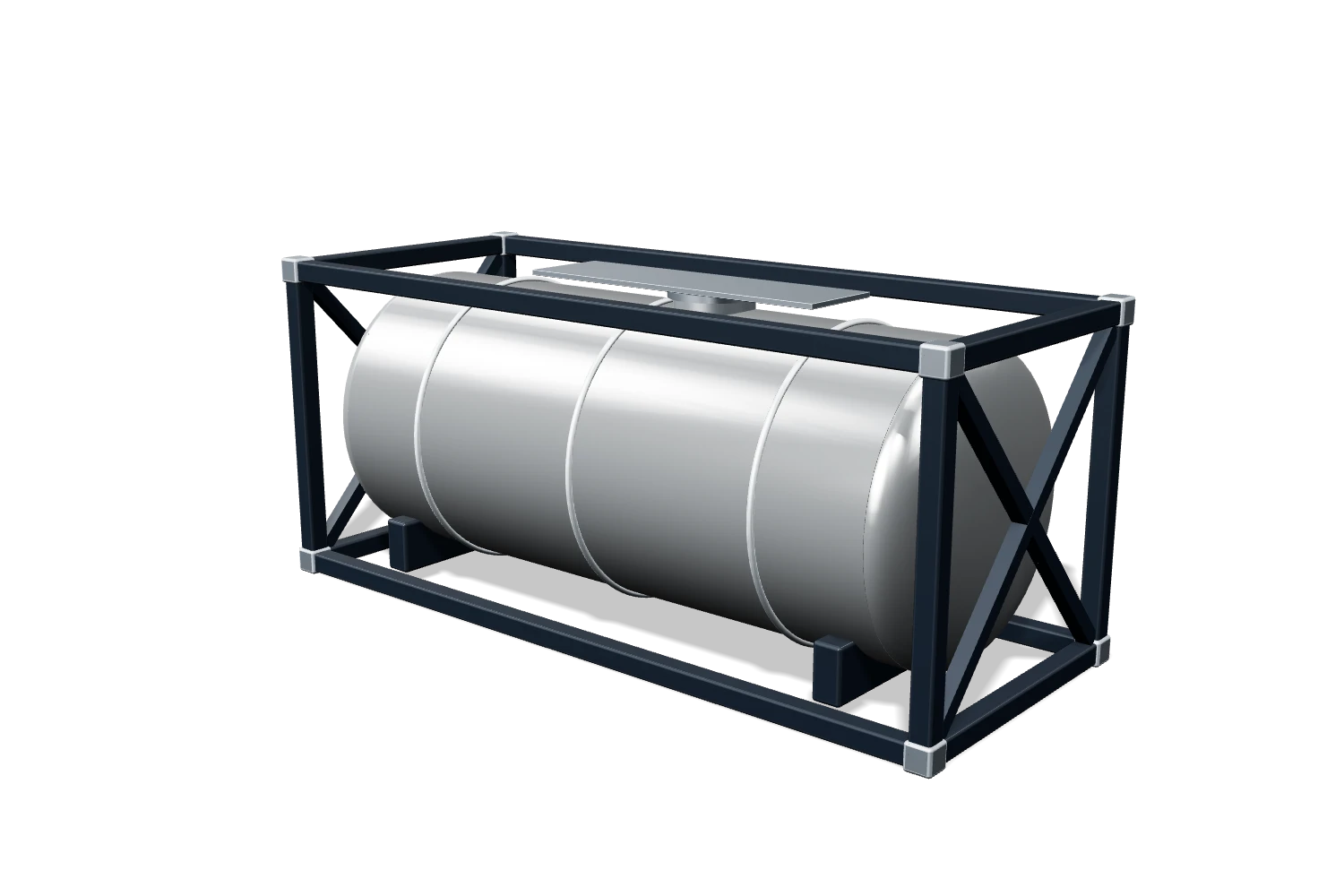
3D render: tank containers

Tank containers

ISO tank containers for chemicals and food. We restore the stainless surface so the tank is clean and passive again.

What we find

  • Product residue and discolouration after cargo
  • Rust spots in the shell
  • Scratches and rough patches
  • Weld seams after repairs

What we do

  • Tank cleaning
  • Grinding
  • Polishing
  • Pickling
  • Passivation
  • Passivity test
Send photos of your tank container
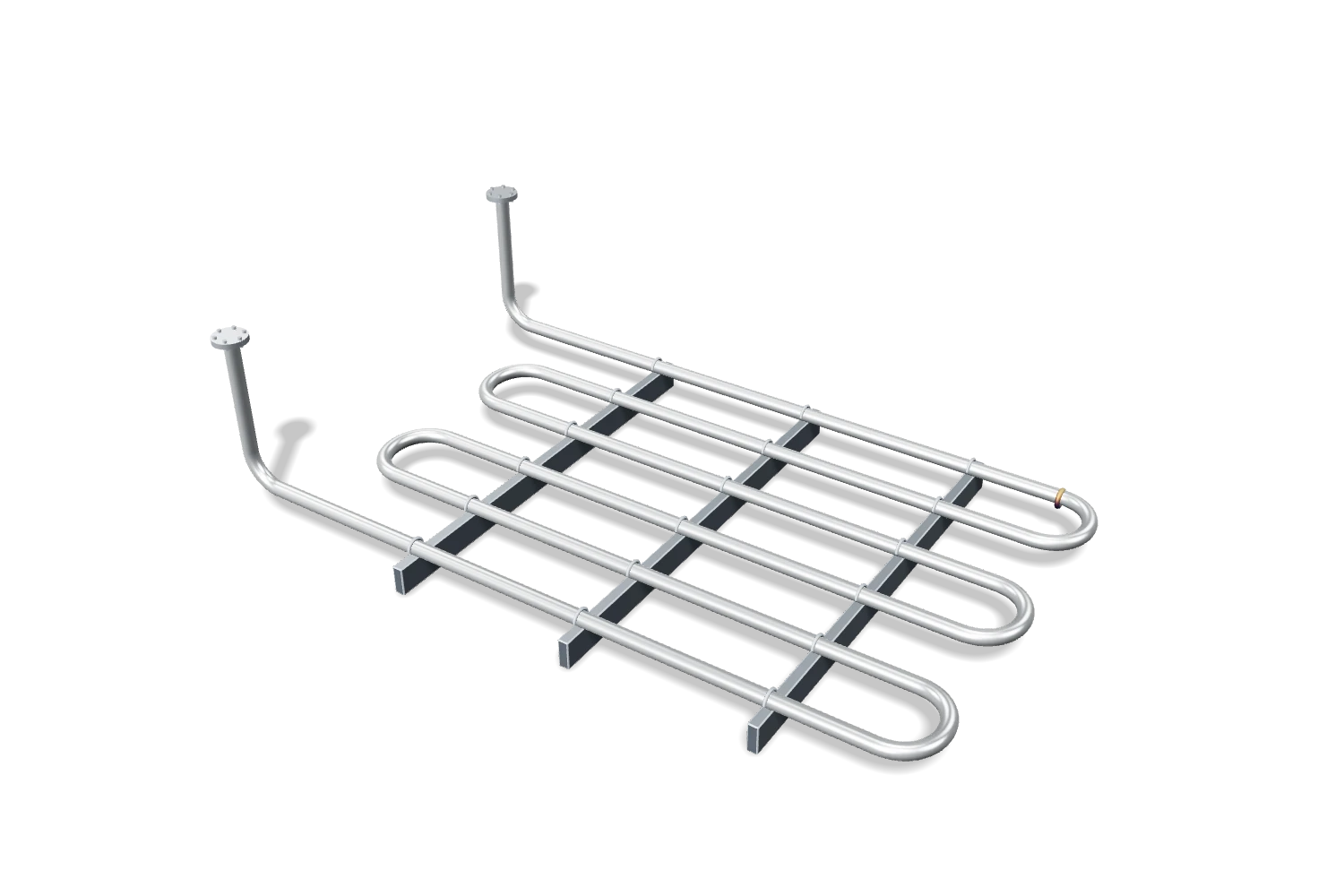
3D render: heating coils

Heating coils

Coils (serpentines) inside cargo tanks. Deposits and corrosion tend to sit in the bends and at the welds.

What we find

  • Deposits and discolouration
  • Corrosion in the bends
  • Heat tint on joints

What we do

  • Pickling
  • Passivation
  • Passivity test
Send photos of your heating coil
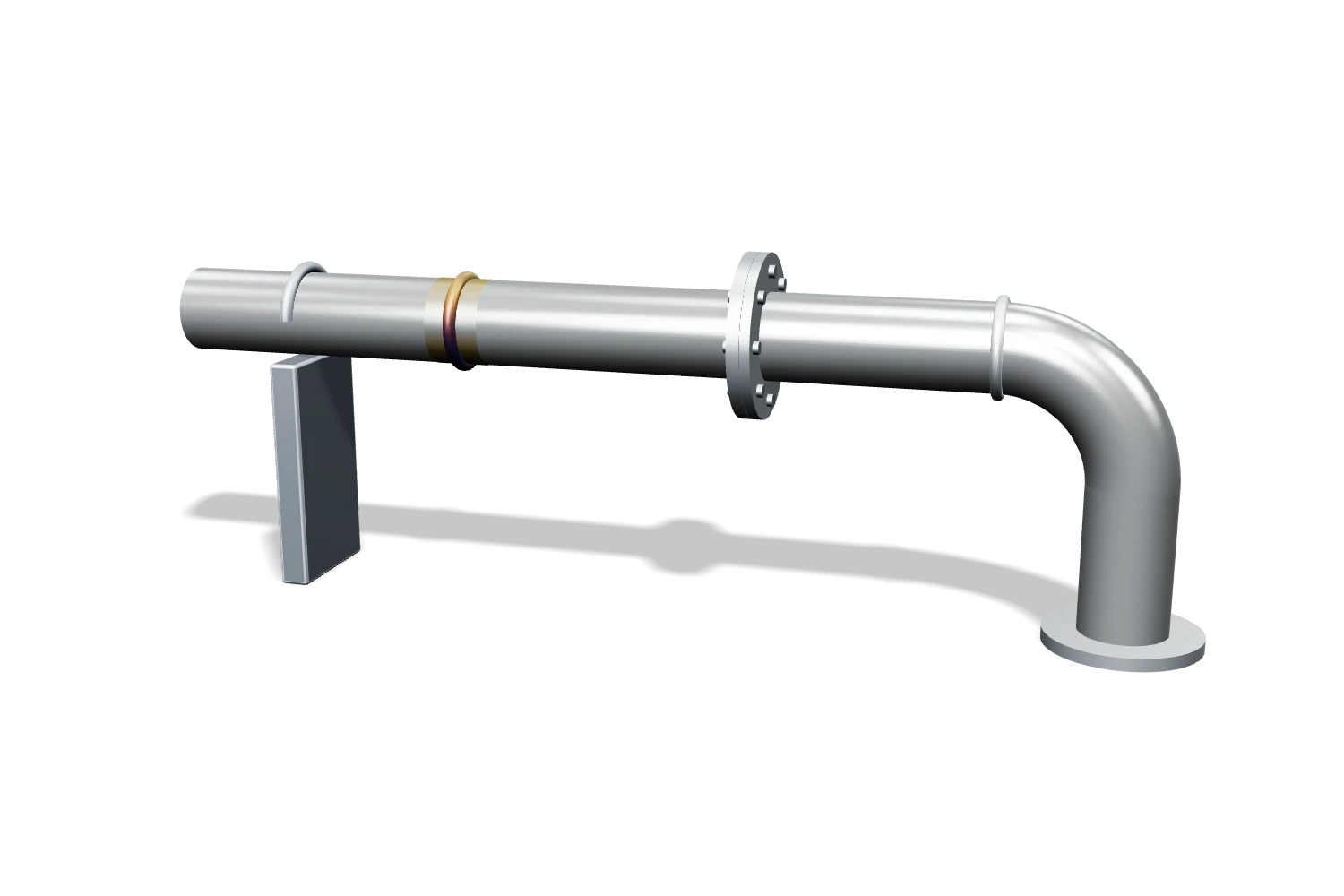
3D render: piping

Piping

Stainless pipes, bends and flanges. After welding we restore the protective layer.

What we find

  • Heat tint from welding
  • Free iron from tools
  • Rust traces along the seam

What we do

  • Sanding
  • Pickling
  • Passivation
  • Passivity test
Send photos of your piping
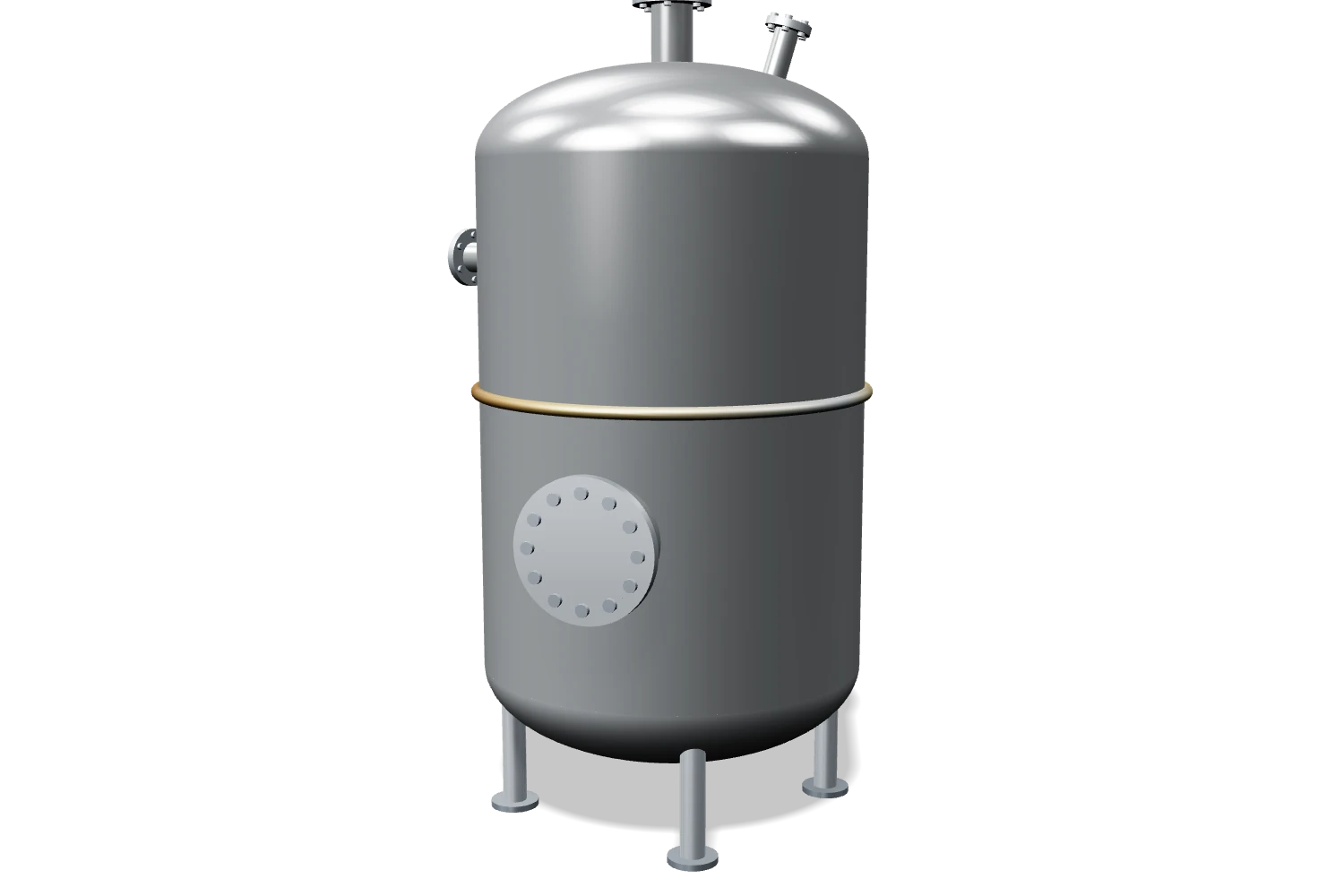
3D render: process and storage tanks

Process and storage tanks

Tanks and vessels in process industry, food and pharma. A smooth, passive surface that stays clean.

What we find

  • Scratches and increased roughness
  • Corrosion and discolouration
  • Heat tint after modifications

What we do

  • Grinding
  • Polishing
  • Pickling
  • Passivation
  • Passivity test
Send photos of your tank
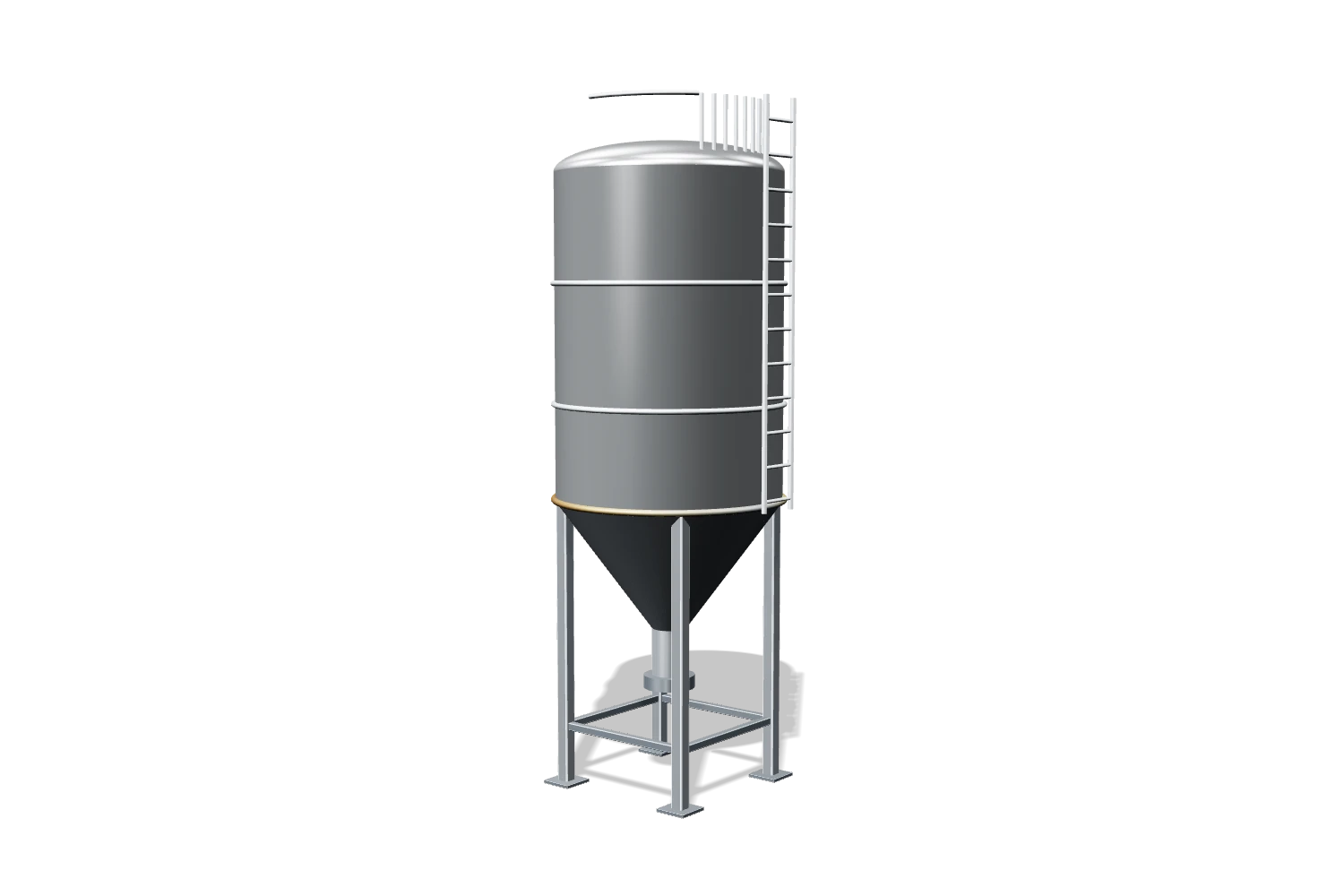
3D render: silos

Silos

Stainless and aluminium silos for food, chemicals and bulk goods. Aluminium we clean and polish; stainless we also pickle and passivate.

What we find

  • Deposits and product residue
  • Discolouration and stains
  • Corrosion at welds and the outlet
  • Scratches and rough patches

What we do

  • Cleaning
  • Grinding
  • Polishing
  • Pickling
  • Passivation
Send photos of your silo
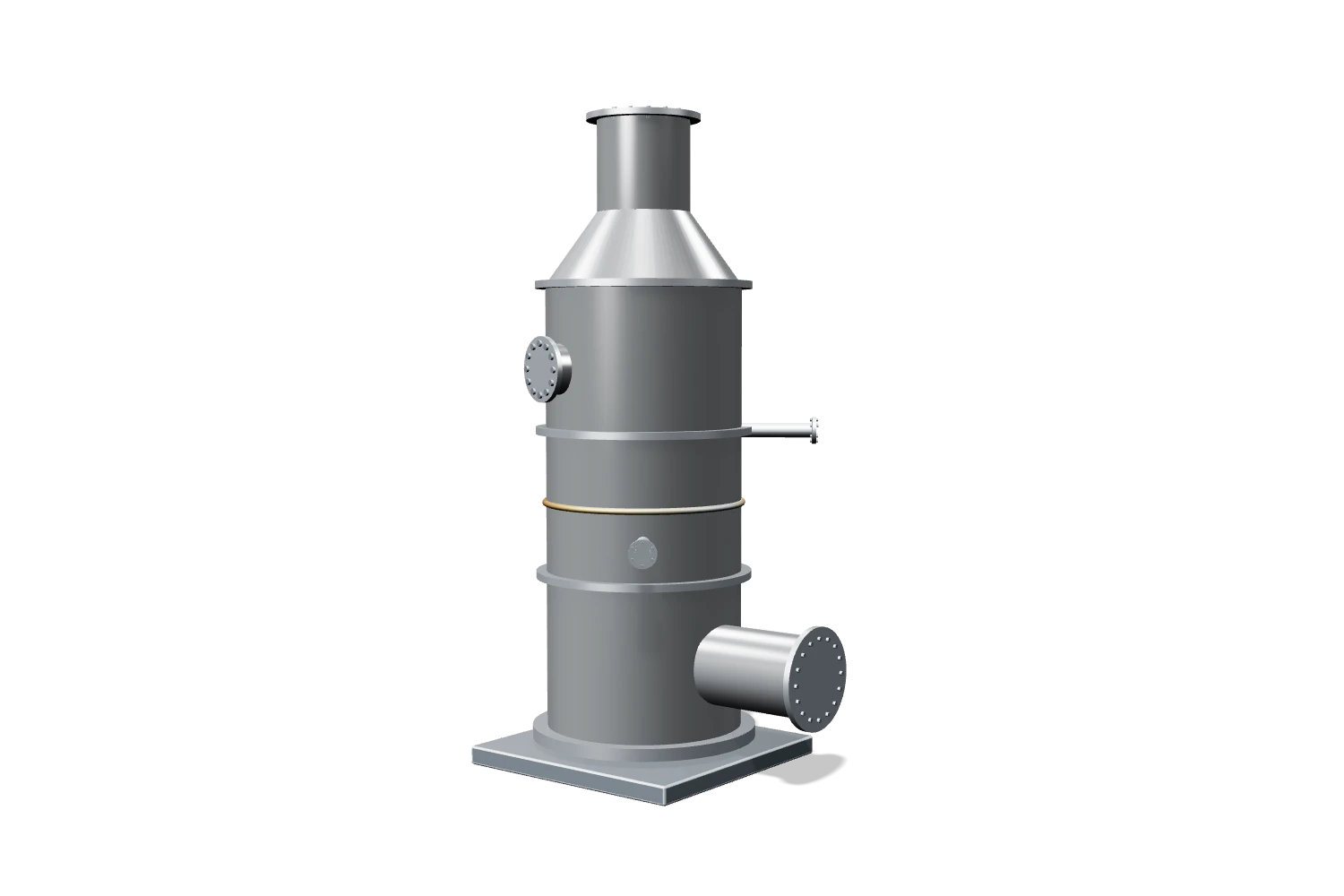
3D render: scrubbers (egcs)

Scrubbers (EGCS)

Exhaust gas cleaning systems on board. The acidic wash water attacks the stainless, especially at welds and spray nozzles. We clean, repair and passivate.

What we find

  • Pitting from acidic wash water
  • Corrosion damage at welds
  • Deposits and discolouration
  • Damage around nozzles and flanges

What we do

  • Chemical cleaning
  • Grinding
  • Pickling
  • Passivation
  • Passivity test
Send photos of your scrubber

Recognise the problem

The damage we see most often, how you recognise it and what we do about it.

How you recognise itHow it happensWhat we do

Pitting corrosion

Small, deep pits, often with a rust rim. On tank floors and where liquid splashes.

Chlorides and acids break through the protective layer locally.

  • Grinding
  • Pickling
  • Passivation

Crevice corrosion

Rust in seams, under gaskets and flanges or between overlapping plates.

Oxygen runs out in tight gaps, so the protective layer cannot recover.

  • Grinding
  • Pickling
  • Passivation

Heat tint

Straw, bronze or blue bands next to the weld.

Welding heat creates an oxide scale that is low in chromium.

  • Sanding
  • Pickling
  • Passivation

Free-iron contamination

Rust spots or rust traces shortly after installation or repair.

Iron particles from tools, grinding dust or nearby carbon steel.

  • Pickling
  • Passivation
  • Passivity test

General corrosion

An even dull, brown or grey surface over a larger area.

Aggressive cargo or cleaning agents attack the whole surface.

  • Tank cleaning
  • Grinding
  • Pickling
  • Passivation

Scratches and roughness

Deep scratches or a rough surface (high Ra) that dirt clings to.

Mechanical damage, the wrong abrasive, or wear.

  • Grinding
  • Polishing
  • Passivation

Product residue and attack

Crystallised residue, green or black discolouration after acidic cargo.

Residue from earlier cargo, such as phosphoric acid, stays behind and attacks the steel.

  • Tank cleaning
  • Pickling
  • Passivation

From corroded to passive

Stainless steel protects itself with a thin chromium oxide layer. Welding, scratches and dirt break that layer. We remove the damage and let the layer form again.

  1. Assess

    From photos or on site: which steel, which damage, which approach.

  2. Grind and sand

    Remove corrosion, pits and deep scratches mechanically.

  3. Polish

    Smooth the surface so dirt has less to hold on to.

  4. Pickle

    Remove heat tint and oxide scale chemically.

  5. Passivate

    Let the protective chromium oxide layer form again.

  6. Test

    A passivity tester shows whether the surface is passive.

Not every object needs every step. We choose the steps that solve the problem.

More than treatment

Inspection and corrosion report

We assess the condition of the stainless steel and record the damage with photos and a report. You get advice on cleaning or treatment, also for ship surveys and claims.

  • Condition inspection
  • Corrosion and damage report
  • Cleaning advice

Tank ready for the next cargo

After an aggressive or sensitive cargo we make the tank clean and passive: residue out, discolouration gone, rust removed. The surface is then ready for the next load.

  • Residue removal
  • Discolouration removed
  • Pickling and passivation

Before and after

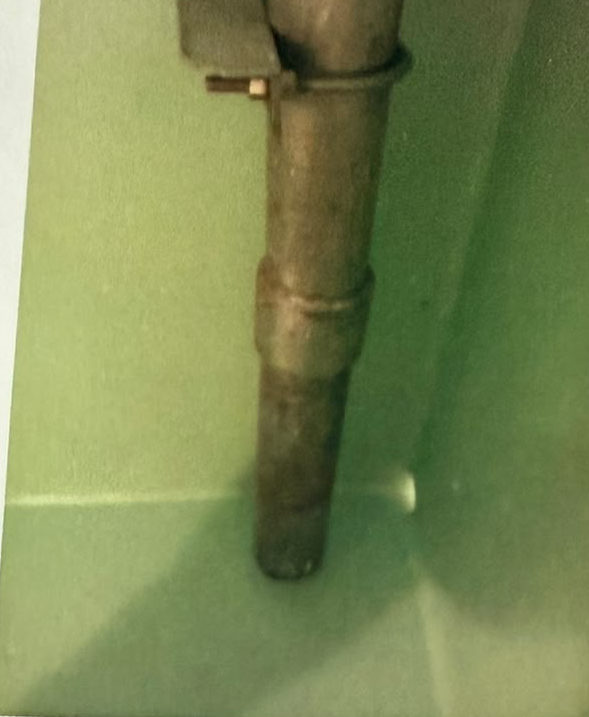
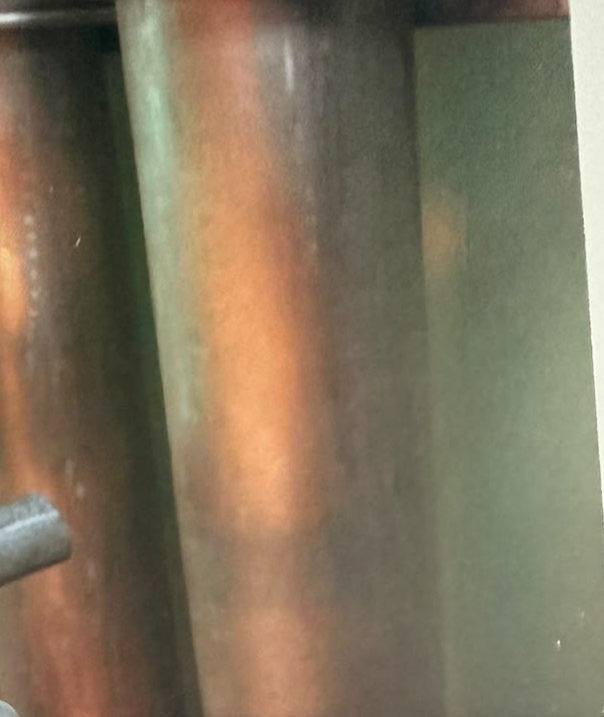
A pipe inside a tank, before and after passivation. Our own work.

Stainless steel pipe inside a tank with discolouration and rust traces, before treatmentBefore
The same pipe after pickling and passivation, clean and evenAfter passivation
The same pipe: the discolouration and rust traces are gone, and the surface is passive again.
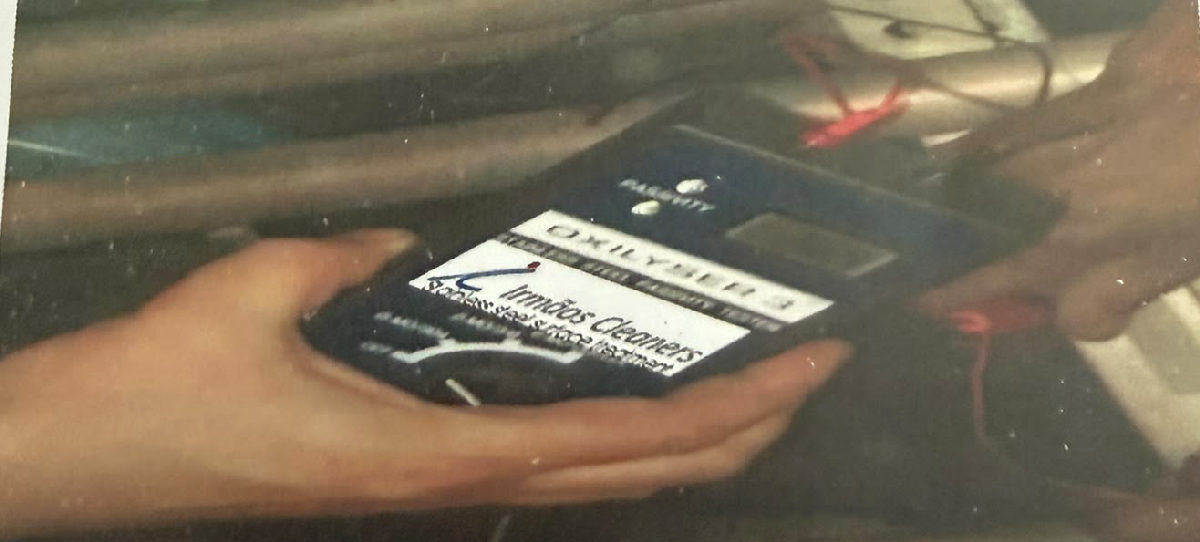
Passivity tester with the Irmãos Cleaners label on a stainless steel pipe

We measure the result

After passivation we measure the surface with a passivity tester. You can see that the steel is protected again, without taking our word for it.

Irmãos means brothers

A Rotterdam family business with 30 years in the trade. Corrosion and discolouration are undone, leaving a clean, passive surface.

David I. Ramos has worked with stainless steel since 1996. In 2010 he founded Irmãos Cleaners, specialised in surface treatment: cargo tanks, tank containers, silos and scrubbers.

The name is Portuguese: irmãos, brothers. That spirit has stayed: a small team that knows and trusts each other.

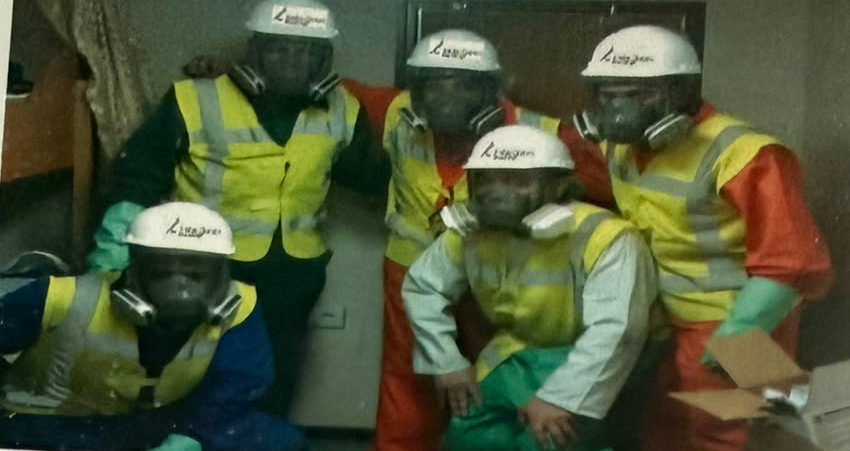
We work where the steel is: inside the tank, on board the ship, at the depot or in the plant. Pickling and passivation means handling acids, so full protective gear is always standard.

You speak directly with the specialist who carries out the job. No layers in between, no call centre.

In the trade
since 1996
Founded
2010
Based in
Rotterdam
The Irmãos Cleaners team in protective suits and respirators, ready for pickling and passivation
Photo of David coming soon
David I. Ramos

What we stand for

  • Stainless steel specialistsOur knowledge, experience and equipment are entirely focused on stainless steel and its treatment.
  • You speak to the specialistThe person you call knows the work and what it needs.
  • Proof instead of promisesWe measure the result with a passivity tester.
  • Safe work with acidsProtective suits and respiratory protection, on every job.

Send a photo of the problem.

A photo of the damage, the object and the location is enough to start. You will quickly hear what it needs.

+31 6 2493 6355

Send us this, and we quickly know what it needs

  1. Photos of the damage, close up and from a distance
  2. The object: tank, tank container, coil, pipe, silo or scrubber
  3. The steel grade, if you know it (for example 316L)
  4. The location: port, depot, plant or on board
  5. When it needs to be done